|
Homes 4 WarriorsExecutive Director: C. Todd Watkins 4018 W. Clearwater Ave todd@homes4warriors.org Phone: 509-947-3741
|
Navigation Menu
How can we allow a man or woman who protected our freedom beg for our appreciation? Please Help Them!
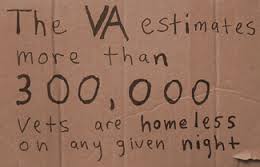
Of 141,000 veterans, men and women nationwide who spent at least one night in a shelter in 2013, nearly 10 percent were women, according to the most recent data from the Department of Housing and Urban Development, up from 7.5 percent in 2009. |
Thousands of female veterans and veterans with families feel helpless to end the cycle of chronic homelessness. Female veterans often experience a cascade of events in which they go from having their own apartment to sleeping in welfare hotels and then, for a year, in the streets, where they join the growing ranks of homeless female veterans. Even as the Federal Government lifts the veto on women in combat positions, returning female veterans are fighting a war of a different nature: female veterans and veterans with families are now the fastest growing segment of the homeless population, an often-invisible contingent toggling between sofas and air mattress, sleeping in public storage lockers, living in their cars and learning to park un-noticed on the fringes of shopping centers to avoid neighborhood violence and police detection. Female and male veterans are faced with these problems and more. This includes the search for family housing and an even more difficult time securing viable employment. But a common dominator to homelessness female veterans, researchers and psychologists identify military sexual trauma, or M.S.T., from assaults or persecution at some stage in their service, which had led to post-traumatic stress disorder. Sexual trauma in the military has set many female veterans on a destructive path that ends in homelessness. Initially many female veterans think they can put “the incident” behind them: Some female veterans that have been honorably discharged up to ten years ago drift in and out of homelessness they find that they can not forget being sexually assaulted. In part it is a reflection of the changing nature of the American military, where women represent more than 14 % of active duty armed forces and 18 percent of the Army National Guard and the Reserves. The absence of viable employment for female veterans also impacts homelessness. There are documented instances of military officers who have excelled as trainers and mentor other soldiers that have had trouble finding work since leaving active duty. |